What an emotional intelligence assessment can tell you
Insights on psychometric assessment, personality, emotional intelligence, leadership, workplace development and the effective use of assessment feedback.
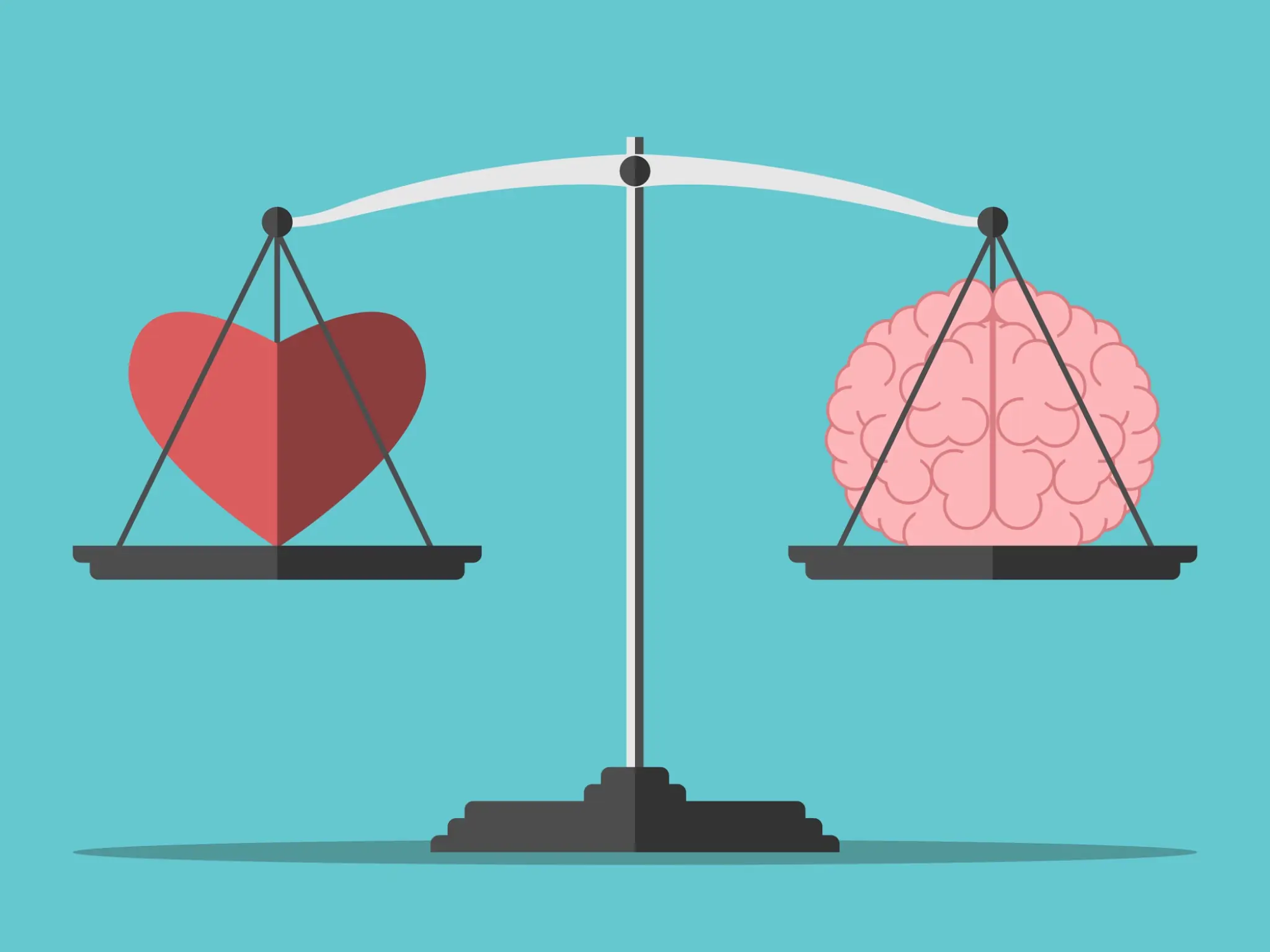
Emotional intelligence describes a group of capabilities concerned with emotions: noticing them, understanding what may be influencing them, using emotional information appropriately and managing responses effectively. These capabilities affect how people communicate, build relationships, cope with pressure and respond to other people.
An assessment provides a consistent framework for examining these areas. It can make patterns easier to see and give you a practical vocabulary for discussing them. It cannot, however, explain every aspect of your behaviour or predict exactly how you will act in every situation.
It can highlight your characteristic approach to emotions
A well-designed emotional intelligence questionnaire explores several related but distinct capabilities. Depending on the assessment, these may include:
- recognising and describing your own emotions;
- understanding the causes and consequences of emotional reactions;
- noticing emotional cues in other people;
- maintaining perspective and managing impulses under pressure;
- using emotions to support motivation, decisions and problem-solving; and
- responding to other people with empathy and appropriate sensitivity.
The resulting profile shows the areas in which you report greater confidence or effectiveness and those that may require more conscious attention. The pattern across the scales is usually more informative than any single score.
It can identify strengths you may be able to use more deliberately
Higher scores may point to capabilities that already help you at work or in other settings. For example, awareness of other people's feelings may support collaboration and feedback conversations. Emotional self-control may help someone remain constructive when a discussion becomes difficult. A clear understanding of personal emotions may support better decisions about workload, boundaries and priorities.
A strength is not automatically helpful in every situation. Sensitivity to other people can become draining if it is not balanced with boundaries. Strong emotional control may appear calm and dependable, but can also make feelings harder for others to read. The useful question is not simply “Is this score high?” but “How does this capability operate in the situations that matter?”
Emotional intelligence scores are best treated as evidence for reflection and discussion. They describe reported tendencies, not permanent traits, clinical diagnoses or guaranteed levels of performance.
It can reveal areas where context matters
Emotional capabilities do not operate in isolation. A person may recognise emotions accurately but find them difficult to express. Someone may show empathy in one-to-one conversations but struggle to attend to emotional cues when under heavy pressure. Another person may manage their own emotions well while finding it harder to influence the emotional climate of a group.
This is why interpretation should consider the participant's role, current demands and real examples. The assessment provides the structure; experience supplies the context.
It can support a focused development plan
The most useful outcome is normally a small number of practical actions. These might include pausing before responding in difficult conversations, checking assumptions about another person's reaction, asking for feedback on communication style, keeping a brief record of emotional triggers or practising a more deliberate way of expressing concerns.
Development should build on strengths as well as address lower scores. For example, someone with strong emotional awareness might use that capability to recognise earlier when pressure is affecting their judgement. Someone who reads other people well might apply that strength more deliberately when giving feedback or resolving disagreement.
What the assessment cannot tell you
An emotional intelligence questionnaire does not provide a clinical evaluation, determine whether somebody is a “good” or “bad” colleague, or establish the cause of a particular behaviour. It should not be used on its own to make employment, promotion or selection decisions.
Self-report results may also be influenced by self-awareness, interpretation of the questions and the context in which the assessment was completed. Feedback from a qualified practitioner and examples from working life help test whether an interpretation fits the participant's experience.
Using AI to explore the feedback report
ChatGPT and similar tools can help readers organise findings, compare related scales and generate questions for reflection. If you use AI, work from the complete report, remove information that is not needed and ask the tool to distinguish report evidence from possible interpretation.
The original feedback report remains the authoritative source. AI should support reflection, not replace the report, a professional feedback discussion or human judgement.
Which one emotional intelligence capability would make the greatest practical difference in your current role, and what observable behaviour would show that it was improving?
Explore MySkillsProfile emotional intelligence assessments
Emotional Intelligence Questionnaire (EIQ16) →
Emotional Intelligence and Mindfulness Questionnaire (EIQ16-R) →
Personality and Emotional Intelligence Questionnaire (PEIQ) →